
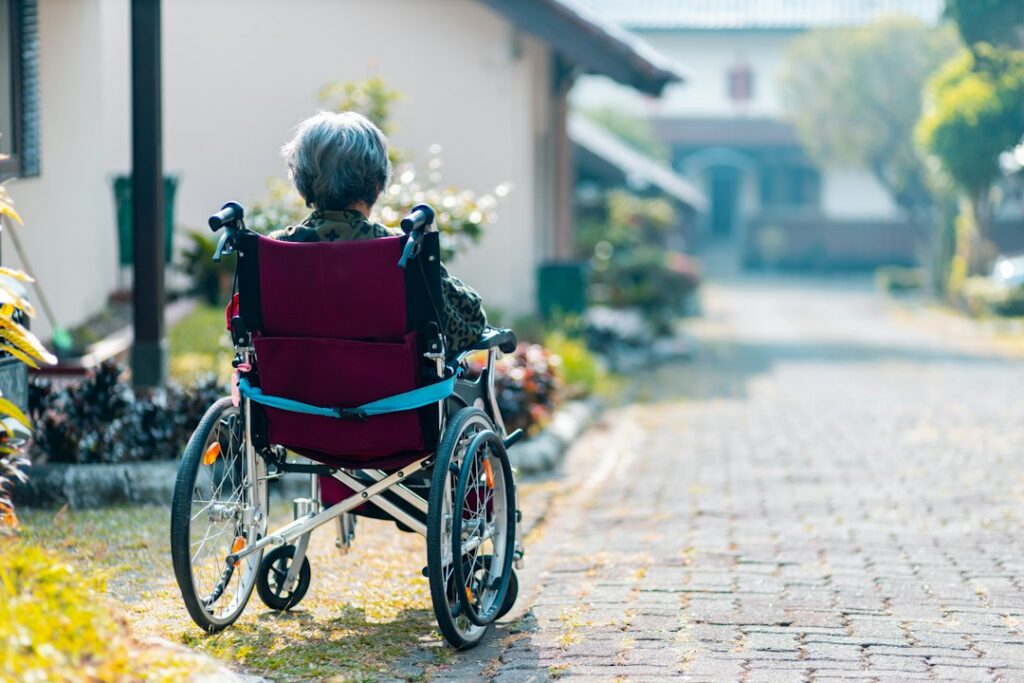
Assisted living residents often need transportation for more than medical appointments. Rides support independence, family visits, shopping, religious activities, recreation, and simple changes of scenery. A safe transportation plan should match the resident’s mobility, health needs, comfort level, and the type of outing.
What transportation options are available for assisted living residents?
Most residents use a combination of community transportation, family rides, facility-arranged trips, and accessible public transit. The right option depends on whether the resident can walk to a vehicle, needs a wheelchair lift, requires help getting in and out, or must travel at a specific time.
Common options include:
- Fixed-route public buses for residents who can safely reach a stop and manage the ride
- Shared-ride transportation that may require advance reservations
- Paratransit for eligible riders whose disabilities prevent them from using regular bus service
- Medical transportation connected with qualifying insurance or assistance programs
- Family or friend transportation
- Group outings arranged through an assisted living community
- Accessible taxis or other scheduled rides, where available
In Indiana, PA, transportation planning may require extra attention because weather, hills, spread-out housing, and changing road conditions can affect travel time. A route that looks short on a map may still be difficult for someone using a walker or wheelchair.
How should a resident choose between a bus, shared ride, and family transportation?
The best choice depends on the resident’s abilities and the purpose of the trip. A regular bus may work well for a confident rider traveling during daylight hours. Shared-ride or paratransit service may be more suitable when the rider cannot reach a standard bus stop or needs a lift-equipped vehicle.
Family transportation can be convenient, but it should not be the only plan if relatives have work, health, or scheduling limits. A backup option helps prevent missed appointments and reduces pressure on family caregivers.
Before selecting a ride, consider:
- Can the resident walk from the building entrance to the vehicle?
- Is there a step into the vehicle?
- Can the resident remain seated during stops and turns?
- Does the rider need help carrying a walker, oxygen equipment, or personal items?
- Is the destination wheelchair accessible?
- How much waiting time is reasonable?
- What happens if the vehicle is delayed?
Transportation needs can change gradually. A resident who once managed a standard bus may later need door-to-door service, more supervision, or a shorter outing.
What should residents know about paratransit and shared-ride services?
Paratransit and shared-ride services generally require eligibility screening, registration, or advance scheduling. They are not always immediate alternatives to a regular taxi or bus. Riders may need to provide information about a disability, mobility limitation, or inability to use fixed-route transportation.
Reservations may need to be made one or more business days ahead. Pickup windows can also be broader than a precise appointment time. For example, a vehicle scheduled for a 10:00 a.m. trip may arrive within a stated window rather than exactly at 10:00.
Residents should ask about:
- Eligibility requirements
- Reservation deadlines
- Pickup and return procedures
- Whether an escort may ride
- Wheelchair and walker policies
- Cost or fare rules
- Weather cancellations
- What to do if the vehicle does not arrive
A common misunderstanding is that paratransit always provides private, direct transportation. Many services are shared rides, so the trip may include other passengers and take longer than expected.
How can a resident prepare for a medical appointment?
Medical trips require more planning than casual outings. The ride should allow enough time for check-in, possible delays, and the return trip. Residents should not assume that a transportation service will wait indefinitely during an appointment.
Helpful preparation includes:
- Confirming the appointment time, entrance, and expected duration
- Providing the transportation service with accurate mobility information
- Bringing identification, medication information, and needed assistive devices
- Carrying a charged phone if the resident can use one
- Confirming how the return ride will be arranged
- Allowing extra time during winter or heavy rain
- Telling the driver if the resident needs additional time to board
If a resident has memory loss, poor balance, or difficulty communicating, the transportation plan should identify who will accompany the person and who is responsible for the return trip.
What outings are realistic and enjoyable?
Outings do not need to be long or expensive to be meaningful. Many residents enjoy activities that provide social connection, familiar surroundings, or a manageable change in routine.
Examples include:
- Visiting a library or community gathering
- Attending a faith-based service
- Going to a park with paved paths and nearby seating
- Meeting family for a quiet meal
- Visiting a garden, museum, or seasonal event
- Taking a scenic drive
- Shopping for a few personal items
- Attending a local performance or community program
- Visiting a familiar neighborhood or former workplace

The most successful outings usually have a clear purpose, accessible restrooms, seating, shade or shelter, and a realistic schedule. A short trip with time to rest is often more enjoyable than an ambitious day away.
Residents may also benefit from planned indoor outings during cold months. Snow, ice, freezing rain, and early darkness can make sidewalks and parking areas unsafe, particularly for people using canes, walkers, or wheelchairs.
How can outings be made safer in Indiana, PA?
Safety begins before leaving the building. Check the forecast, road conditions, and destination layout. In colder weather, allow time for coats, gloves, and slower walking. Shoes should provide traction without making it difficult to move.
For outdoor activities, look for:
- Level entrances
- Handrails
- Paved or firm walking surfaces
- Benches placed along the route
- Accessible restrooms
- Adequate lighting
- Protection from heat, wind, or rain
- Parking or drop-off areas close to the entrance
A resident may appear steady indoors but become unbalanced on uneven pavement, wet leaves, gravel, or sloped sidewalks. The person should not be rushed while entering or exiting a vehicle.
Medication timing is another overlooked issue. An outing should fit the resident’s normal medication, meal, hydration, and rest schedule. People with diabetes, bladder concerns, fatigue, or respiratory conditions may need especially careful planning.
Who should be included in a transportation plan?
The resident should have a voice in the plan whenever possible. Preferences matter: some people dislike crowded vehicles, long waits, unfamiliar drivers, or early morning travel.
The plan may also involve family members, assisted living staff, transportation coordinators, and healthcare personnel when appropriate. Everyone should understand who is arranging the ride, who is accompanying the resident, and who is responsible for the return.
A written plan can include:
- Regular appointments and preferred travel times
- Mobility equipment used by the resident
- Emergency contact information
- Communication needs
- Known triggers for anxiety or confusion
- Weather-related alternatives
- Backup transportation options
Transportation is not only a practical service. Reliable access to the community can support confidence, reduce isolation, and help residents continue familiar routines. With realistic scheduling and attention to accessibility, residents can remain connected to the people, places, and activities that give daily life meaning.
